
Tile Installation in Natomas
Natomas homes tend to be newer construction with concrete slab foundations and open floor plans — a different set of tile considerations than the older homes to the south, and we're familiar with both.
Natomas was largely developed from the 1990s through the 2010s, which means the housing stock is newer, the subfloors are often concrete slab, and the bathroom layouts tend to be more generous than the compact bathrooms in older Sacramento homes. That creates opportunities for larger tile formats, more elaborate shower builds, and open-concept kitchen designs where the tile becomes a more prominent design element.
Concrete slab substrates in Natomas homes are generally good for tile — they're rigid and flat. The main variable is moisture. Natomas sits in the Sacramento Valley floor, and some areas have higher water table conditions that can introduce moisture through slabs. We test for moisture before any slab tile installation and use appropriate setting materials when levels are elevated.
Services Available in Natomas
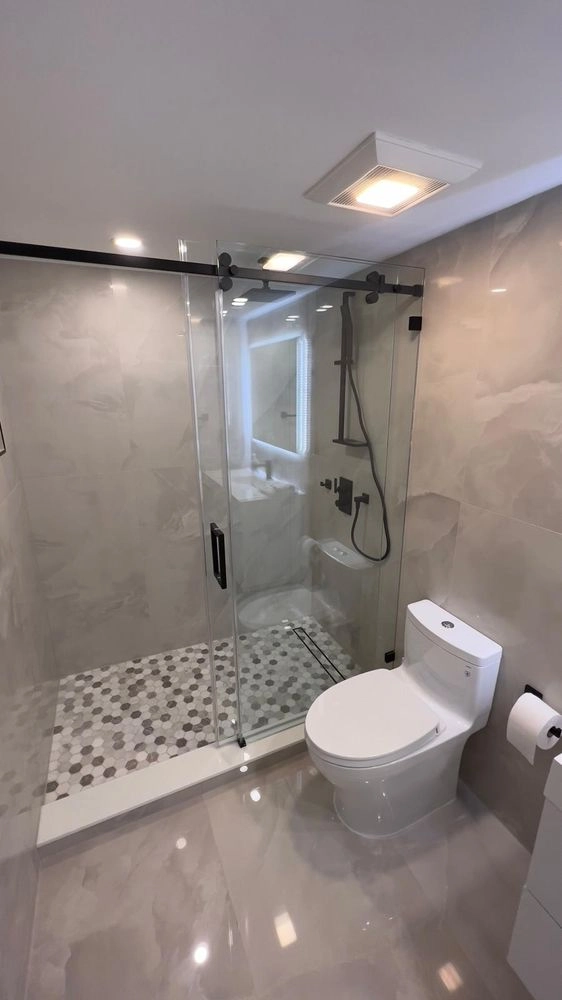

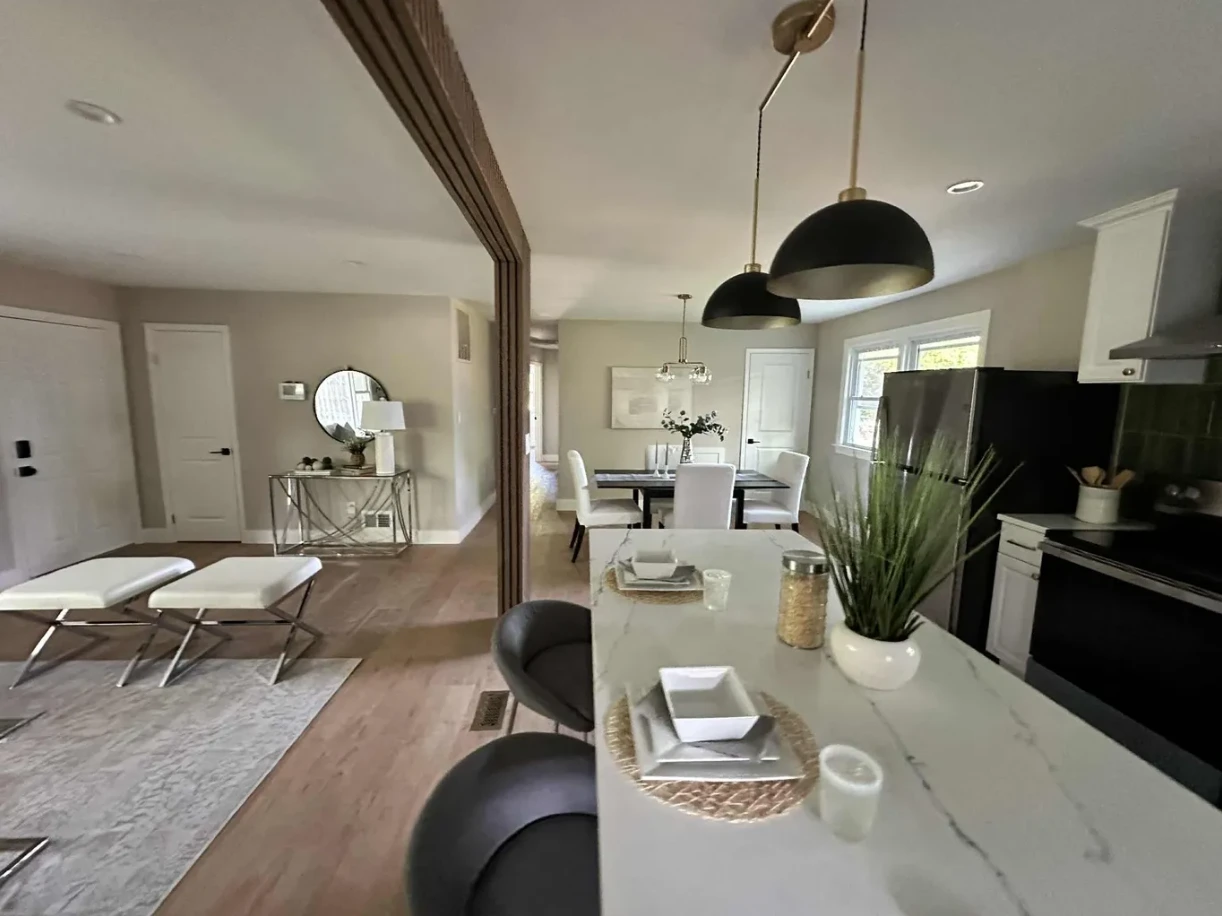
Natomas homes are where large-format tile really shines. The open floor plans, higher ceilings, and slab foundations create the right conditions for 24x48 porcelain without the subfloor concerns that come with older wood-frame construction. We plan these jobs differently from the start — bigger tile means more precise layout, more leveling clips, and more attention to the seam lines across a wide-open floor.
Natomas Tile Questions
Do Natomas HOAs have rules about tile work or contractor access?
Some Natomas HOA communities have rules about contractor parking, working hours, or noise during certain times of day. We ask homeowners to check their HOA guidelines before scheduling so we can plan around any restrictions. Typical limitations are on early morning starts (before 8 AM) or weekend work in certain communities. We're flexible on scheduling and can work within most HOA frameworks.
My Natomas home is on a slab — can you install radiant heat under the tile?
Electric radiant heat mats can be installed under tile on a slab, and they work well with porcelain and ceramic tile. The mat goes down over the slab, gets embedded in thinset, and then tile is set on top. The total added height is minimal (roughly 3/8 inch). We install the tile portion; the electrical connection to a thermostat is typically done by a licensed electrician. We'll coordinate the sequencing so the mat is in place before we start setting tile.
What large-format tile sizes work best in Natomas open floor plans?
For open-plan living areas and kitchens in Natomas homes, 24x24 and 24x48 porcelain are popular choices — they reduce the number of grout lines visible across a large floor, which makes the space feel more continuous. The tradeoff is that larger tiles require a flatter substrate (within 1/8 inch over 10 feet) and more precise layout. We always check slab flatness first and level any areas that need it before committing to a large-format installation.
Is there anything specific about Natomas soil or climate that affects tile work?
Natomas sits on reclaimed floodplain with clay-heavy soil that can experience seasonal expansion and contraction. For exterior tile work or tile in unconditioned spaces like garages, this movement matters — we use flexible thinset and include movement joints (expansion gaps) at perimeter walls and every 20-25 feet in large areas. Interior tile in climate-controlled spaces is generally unaffected by soil movement.