
Tile Installation in Del Paso
Our home base. We know Del Paso Heights, the older housing stock along Marysville Blvd, and what it takes to do tile work right in homes built decades before modern substrates were standard.
Del Paso is where we operate from — our address is on Del Paso Rd and we work in these neighborhoods regularly. The homes here, particularly in Del Paso Heights, are largely post-war construction: wood-frame with plaster walls, older bathroom layouts, and subfloors that have had decades to settle and shift. That means tile work here almost always involves more substrate assessment than a newer home would require.
When we pull old tile in a Del Paso bathroom, we expect to find a mix of original materials and past repairs. We check each layer before committing to the new install — it's slower than just putting tile over what's there, but it's the only way the new work holds up.
Services Available in Del Paso
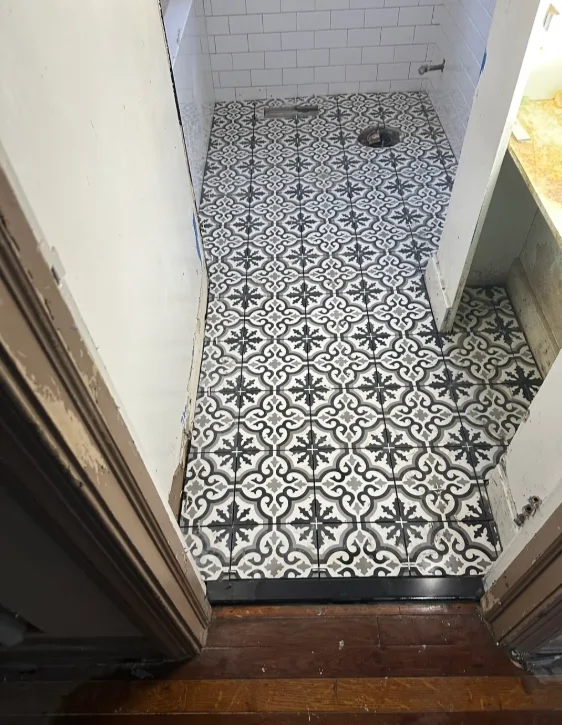
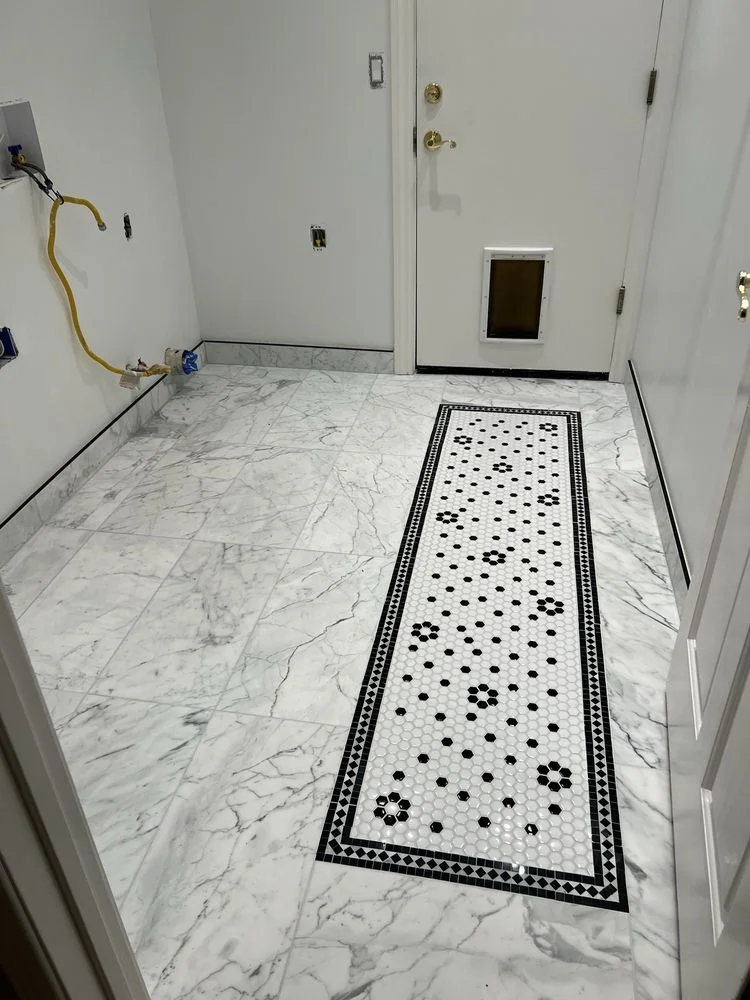
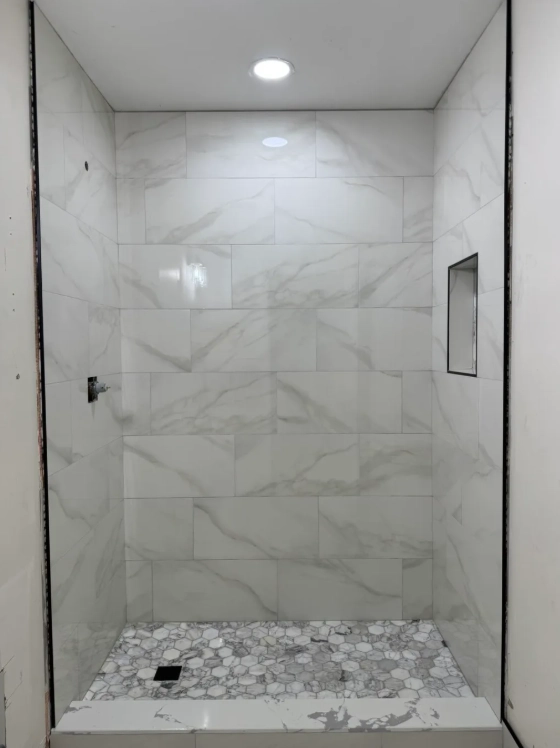
What Makes Del Paso Homes Different
- Mostly 1940s-1960s wood-frame construction with original plaster walls and older bathroom layouts
- Subfloors often have more flex than modern homes — we always check deflection before committing to a tile size
- Previous repairs and patch work are common under old tile — we assess each layer before the new install goes down
- Sacramento's hot summers mean thermal cycling in uninsulated spaces; we use flexible thinset in areas exposed to temperature swings
Del Paso Tile Questions
Do older Del Paso homes need special permits for tile work in bathrooms?
Tile installation itself typically doesn't require a permit in Sacramento County — it's considered a cosmetic finish. However, if the project involves moving drains, adding waterproofing in a shower that previously lacked it, or any plumbing changes, those portions may require permits. We'll flag anything in your project scope that could trigger a permit requirement before we start.
The tile in my Del Paso bathroom is from the 1960s — can you match it if I only need a partial replacement?
Matching vintage tile is very difficult. Exact matches for 1960s tile are rarely still in production, and even period-correct reproductions won't have the same wear patina as the original. If you're replacing only a few tiles, we can sometimes find close-enough options at salvage tile dealers in the Sacramento area. If the damaged area is large, a full replacement with a new tile that reads as a deliberate design choice is often the cleaner solution.
My Del Paso home has a concrete slab foundation — does that affect floor tile installation?
Concrete slabs are actually a good substrate for tile — they're rigid and don't flex like wood subfloors. The main considerations are moisture (concrete can wick moisture from below, which matters in rooms without good vapor control) and flatness (older slabs can have significant high and low spots that need leveling). We test for moisture before setting tile on any slab and use a moisture-tolerant thinset where needed.
How do you handle tile work around original cast iron tubs in older Del Paso homes?
Cast iron tubs are heavy and extremely durable — they're often the best thing in an older bathroom. The challenge is that the tub rim may not be perfectly level, which affects how the first course of wall tile sits. We shim or scribe the first tile row to follow the tub lip rather than forcing it to a level line that creates a visible gap. The result looks intentional rather than corrected.